
Making Tax Digital 2026: Is Your Business Ready for MTD?
From 6 April 2026, sole traders and landlords earning over £50,000 must report quarterly to HMRC using MTD-compatible software — replacing the traditional annual tax return. The right setup makes it straightforward; the wrong one means missed deadlines and penalty points before the first quarter is even complete. RAA helps you transition simply, with a managed approach that fits your business from day one.
3/4/20262 min read
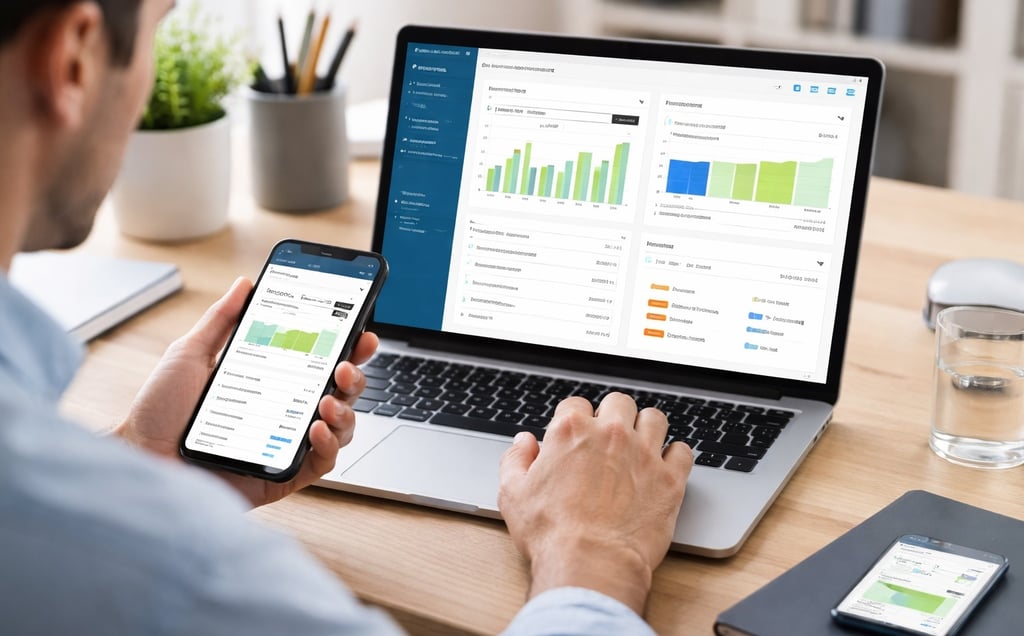

Making Tax Digital 2026: Is Your Business Ready?
Making Tax Digital is not just another deadline. It is a shift in how you run your business day to day — and for thousands of sole traders and landlords across the UK, that shift is now weeks away.
What is MTD for Income Tax — and does it apply to you?
From 6 April 2026, Making Tax Digital for Income Tax Self Assessment (MTD for ITSA) becomes mandatory for sole traders and landlords whose qualifying gross income from self-employment and property exceeded £50,000 in the 2024/25 tax year. If that describes you, HMRC will already have written to notify you following your January 2026 Self Assessment submission.
MTD for Income Tax becomes mandatory from 6 April 2026 for sole traders and landlords earning over £50,000. Here's what changes, what you need, and how to prepare.
Our approach at RAA: We help you move forward simply, with a managed transition that fits your situation — software selection, digital record setup, and quarterly submission handling included. If you wait, the change tends to arrive as a last-minute scramble. If you prepare now, it becomes a controlled transition with a clear next step.
What actually changes?
The traditional annual tax return does not disappear entirely — but it is no longer your primary reporting mechanism. Under MTD, you will need to:
Maintain digital records of all self-employment and property income and expenses throughout the year
Submit four quarterly updates to HMRC via MTD-compatible software, summarising income and expenses for each three-month period
File a Final Declaration by 31 January, confirming all figures for the year
The quarterly deadlines are not optional — missing them triggers penalty points under HMRC's new cumulative penalty regime.
Why preparation now matters more than you think
The right software setup reduces back and forth, improves visibility, and keeps your numbers accurate throughout the year. The wrong setup — or no setup at all — means the first quarterly deadline in August arrives before your processes are in place.
There are only limited exemptions, and each requires individual HMRC approval that can take several weeks to process. Waiting is not a safe strategy.
The two things to confirm before 6 April 2026:
Compatible software is selected and live — HMRC maintains a list of approved MTD-compatible tools; your existing accounting software may already qualify or require an upgrade
Digital record-keeping is in place from day one — quarterly updates cannot be generated from spreadsheets or manual records under MTD rules
© Richmond Accounting & Advisory Ltd. All rights reserved.
Contact
Richmond Accounting & Advisory Ltd
Richmond United Kingdom
Email: enquiries@raa-uk.com
Phone: +44 (0) 20 3739 7575


Your trusted partner that turns numbers into decisions